

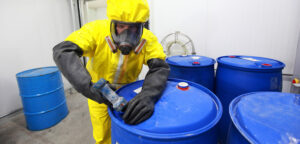
In the hospitality industry, hotels in Georgia face the responsibility of managing various types of waste, including hazardous materials. From cleaning supplies to maintenance products, hotels generate hazardous waste that requires proper handling and disposal to protect both human health and the environment. Developing a robust hazardous waste disposal plan is crucial for hotels to operate ethically, in compliance with regulations, and to safeguard the communities they serve.
This article aims to outline the best practices and guidelines for Georgia hotels in effectively managing hazardous waste disposal. By understanding the types of hazardous waste, implementing proper handling procedures, and adopting eco-friendly disposal methods, hotels can minimize risks and contribute to a cleaner environment.
Types of Hazardous Waste in Hotels
Hotels produce several types of hazardous waste, including but not limited to:
Chemical Waste: This includes used cleaning agents, pesticides, and solvents. Improper disposal can lead to soil and water contamination.
Electronic Waste (E-Waste): Obsolete electronics such as old computers, TVs, and printers can contain toxic components like lead and mercury, requiring special disposal methods.
Batteries: Used batteries from remotes, smoke detectors, and other devices contain heavy metals that can pose environmental risks if disposed of improperly.
Fluorescent Light Bulbs: These bulbs contain small amounts of mercury and need careful handling and recycling to prevent mercury contamination.
Best Practices for Hazardous Waste Disposal in Georgia Hotels
Identification and Segregation: Hotels should conduct regular waste audits to identify and segregate hazardous waste from non-hazardous waste. Proper labeling and storage in designated containers are essential to prevent accidental mixing and ensure safe handling.
Employee Training: Staff members should undergo training on hazardous waste management protocols. Training sessions should cover waste identification, handling procedures, emergency response, and the importance of compliance with relevant regulations such as Resource Conservation and Recovery Act (RCRA).
Partnerships with Licensed Waste Disposal Companies: Hotels should collaborate with licensed and reputable waste disposal companies that specialize in handling hazardous materials. These companies possess the expertise and resources to collect, transport, and dispose of hazardous waste following legal and environmental standards.
Adoption of Sustainable Practices: Hotels can implement eco-friendly alternatives and practices to reduce hazardous waste generation. For instance, switching to green cleaning products, encouraging electronic documentation to reduce paper waste, and investing in energy-efficient appliances can minimize the hotel’s overall environmental footprint.
Documentation and Record-Keeping: Maintain thorough records of hazardous waste disposal processes. Detailed documentation helps in demonstrating compliance during inspections and audits by regulatory authorities.
Regular Inspections and Audits: Conduct routine inspections to ensure proper storage, labeling, and handling of hazardous waste. Regular audits help identify areas for improvement and ensure ongoing compliance with regulations.
Conclusion
Proper Georgia Hazardous Waste Disposal is a crucial aspect of responsible hotel management in Georgia. By adhering to best practices, hotels can mitigate risks to human health and the environment while demonstrating their commitment to sustainability and regulatory compliance. Through employee training, partnerships with waste disposal experts, and the implementation of eco-friendly measures, hotels can effectively manage hazardous waste while contributing positively to a cleaner and safer community.
Remember, the proper disposal of hazardous waste is not only a legal obligation but also an ethical responsibility that every Georgia hotel should prioritize to create a safer and more sustainable environment for all.