
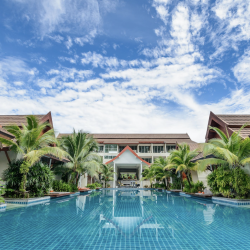

In the hospitality industry, the guest experience is paramount. Everything from the ambiance to the quality of service plays a crucial role in determining whether a guest will return. However, one element that often gets overlooked is the physical infrastructure of the hotel itself. The durability, appearance, and safety of the hotel building can have a profound impact on guest perception and long-term operational costs.
Industrial coatings, a specialized form of protective paint, are integral in maintaining the appearance and structural integrity of hotels. These coatings are not just about aesthetics; they provide essential protection against wear and tear, environmental elements, and potential hazards. Whether for exterior or interior applications, industrial coatings ensure that hotels remain attractive, functional, and safe for guests and staff alike.
In this article, we will explore the various reasons why industrial coatings are crucial for hotels, the benefits they offer, and how they contribute to the overall success of a hotel business. From enhancing aesthetics and extending the lifespan of materials to improving safety and sustainability, industrial coatings are a wise investment for hotel owners and managers.
The Role of Industrial Coatings in Hotel Exterior Maintenance
Protection Against the Elements
Hotels, particularly those located in areas with harsh weather conditions, face constant exposure to environmental elements such as sun, wind, rain, and snow. Over time, this exposure can cause significant damage to the building’s exterior surfaces. Without proper protection, paint and materials begin to degrade, leading to unsightly stains, rust, and fading.
Industrial coatings act as a shield, offering long-lasting protection from the elements. For example, high-quality exterior coatings can provide resistance to UV rays, preventing the sun from causing paint to peel or fade. Similarly, coatings designed to be water-resistant can prevent moisture penetration, reducing the risk of mold, mildew, and rot. In coastal areas, specialized coatings can even protect against the corrosive effects of saltwater.
Enhancing Aesthetic Appeal
A hotel’s exterior is the first impression guests will have, and an unattractive or poorly maintained facade can have a significant impact on business. Industrial coatings offer an array of finishes and textures that can enhance the aesthetic appeal of the hotel’s exterior. From sleek and modern designs to classic, timeless finishes, coatings help hotels maintain their visual appeal for years.
Coatings also play a role in maintaining consistency across various surfaces. For example, a hotel may have a mix of materials such as concrete, metal, wood, and glass. Industrial coatings ensure that all surfaces not only maintain their integrity but also appear visually unified, creating a polished, professional look.
Extending the Lifespan of Hotel Buildings
One of the primary benefits of industrial coatings is the extended lifespan they provide to building materials. Without protective coatings, hotel exteriors are vulnerable to a range of issues, from corrosion to physical abrasion. Over time, this wear and tear can result in costly repairs and replacements.
By applying industrial coatings, hotels can effectively prolong the life of their exterior materials. For instance, concrete surfaces are particularly susceptible to cracking and chipping. Industrial coatings for concrete can reduce the impact of weathering and prevent the need for expensive resurfacing or repairs. Similarly, metal structures can be coated to prevent rust, saving hotel owners from the expense and inconvenience of replacing corroded elements.
Industrial Coatings for Hotel Interiors
Durability and Ease of Maintenance
The interior of a hotel is subject to constant use and foot traffic. From the lobby to the guest rooms, areas like hallways, elevators, and bathrooms experience daily wear and tear that can quickly result in scuff marks, stains, and damage to surfaces. Industrial coatings can significantly improve the durability of these high-traffic areas, helping to maintain a pristine appearance.
For example, coatings can be applied to walls, floors, and even ceilings to create a smooth, durable surface that is resistant to stains, scratches, and marks. This is especially important in areas like bathrooms, where moisture and frequent cleaning can take a toll on the walls and surfaces. Industrial coatings are designed to withstand harsh cleaning agents, ensuring that the interior remains attractive with minimal maintenance.
Improving Air Quality and Hygiene
In high-traffic environments like hotels, hygiene is a top concern. The buildup of bacteria, mold, and mildew can pose a serious health risk to both guests and staff. Industrial coatings can help mitigate these issues by providing surfaces that are resistant to bacteria and fungi. Special antimicrobial coatings, for instance, are designed to inhibit the growth of mold and bacteria, creating a cleaner, safer environment for everyone.
Coatings that are resistant to moisture are particularly important in areas with high humidity, such as bathrooms and kitchens. These coatings help prevent the buildup of mold and mildew, which can lead to unpleasant odors and even structural damage if left unchecked.
Noise Reduction and Acoustics
Noise levels in hotels can directly affect the guest experience. Whether it’s the sound of footsteps in the hallway or noise from neighboring rooms, excessive noise can disrupt sleep and overall comfort. Industrial coatings can play a role in soundproofing, helping to reduce noise transmission between rooms and common areas.
Acoustic coatings, for example, are designed to absorb sound and improve the acoustics of hotel spaces. By applying these coatings to walls and ceilings, hotel managers can create quieter, more peaceful environments for guests, enhancing their overall stay.
Sustainability and Environmental Considerations
Eco-Friendly Coatings
With increasing awareness about environmental sustainability, hotels are more conscious than ever about reducing their carbon footprint. Industrial coatings have evolved to include eco-friendly options that meet the growing demand for sustainable building practices. These coatings often contain fewer volatile organic compounds (VOCs) and are free from harmful chemicals that can harm the environment.
Sustainable coatings help hotel owners comply with environmental regulations and contribute to green building certifications, such as LEED (Leadership in Energy and Environmental Design). By opting for eco-friendly industrial coatings, hotels can reduce their environmental impact while simultaneously improving the health and safety of their guests and staff.
Energy Efficiency
Energy efficiency is another key factor that makes industrial coatings a valuable investment for hotels. Reflective coatings, for example, can be applied to building exteriors to improve energy efficiency by reflecting heat away from the building. This helps to reduce the strain on HVAC systems, lowering energy consumption and reducing operating costs.
In addition, coatings that improve insulation can help maintain consistent indoor temperatures, ensuring that hotel guests are comfortable while also reducing energy costs. Energy-efficient coatings are an effective way for hotels to enhance their sustainability efforts while improving profitability.
Conclusion
Industrial coatings play a critical role in maintaining the durability, safety, and aesthetic appeal of hotels. Whether applied to the exterior or interior, these coatings protect the hotel from environmental elements, enhance the guest experience, and reduce the long-term cost of maintenance. Additionally, they contribute to sustainability efforts by offering eco-friendly options that improve energy efficiency and reduce the hotel’s environmental footprint.
For hotel owners and managers, investing in high-quality industrial coatings is not just a cosmetic decision—it’s a practical and strategic move that ensures the longevity of the building, enhances guest satisfaction, and reduces operational costs. As the hospitality industry continues to evolve, the role of industrial coatings will remain integral in ensuring that hotels meet the high expectations of today’s guests while maintaining their structural integrity for years to come.
By prioritizing industrial coatings as part of a hotel’s overall maintenance strategy, hotel owners can create a more appealing, durable, and sustainable property that stands out in a competitive market. The investment in these coatings ultimately translates into better guest experiences, higher customer retention, and a more successful business.
