

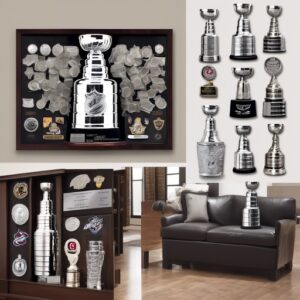
In the world of hospitality, creating memorable experiences for guests goes beyond providing comfortable rooms and excellent service. It often involves tapping into local culture, events, and sports to offer unique amenities that enhance a guest’s stay. One such example is the sale of Stanley Cup accessories in hotels, particularly during the fervor of hockey season. This blog explores the reasons behind hotels selling these specialized items, delving into how it enriches guest experience and aligns with broader hospitality strategies.
Celebrating Local Culture and Sports Heritage
Hotels situated in cities with a strong hockey culture, especially those hosting NHL teams or in close proximity to them, often see the Stanley Cup playoffs as an opportunity to celebrate their local sports heritage. Hockey is more than just a game in these regions; it’s a deeply ingrained part of the community’s identity. By selling Stanley Cup accessories such as caps, jerseys, and memorabilia, hotels not only acknowledge but actively participate in the excitement surrounding the playoffs. This immersion in local culture helps hotels connect on a deeper level with guests who are hockey enthusiasts or simply appreciate the regional fervor.
Creating a Sense of Occasion and Exclusivity
The Stanley Cup playoffs are a time of heightened emotions and camaraderie among fans. Hotels capitalize on this by offering exclusive merchandise that commemorates the event. Limited edition caps, branded towels, and even themed room packages create a sense of occasion for guests, transforming their stay into a memorable experience linked to a significant sporting event. This strategy not only enhances guest satisfaction but also fosters a feeling of exclusivity, as guests can take home a piece of the excitement surrounding the Stanley Cup.
Revenue Generation and Business Opportunities
From a business perspective, selling Stanley Cup accessories presents a lucrative opportunity for hotels. These items often have a higher perceived value during the playoffs, allowing hotels to markup prices slightly while still offering guests a desirable memento. Revenue generated from the sale of merchandise can contribute to overall profitability, offsetting costs or even funding additional guest amenities or services. Moreover, it serves as a diversification strategy within the hospitality industry, tapping into the retail market without requiring significant investment in new infrastructure.
Strengthening Brand Identity and Differentiation
In a competitive hospitality market, establishing a unique brand identity is crucial for attracting and retaining guests. Hotels that actively participate in local events like the Stanley Cup playoffs differentiate themselves from their counterparts. By associating their brand with prestigious sporting events and offering related merchandise, hotels can enhance their image as a culturally aware and guest-centric establishment. This branding strategy not only attracts hockey fans but also positions the hotel as a destination that values community engagement and cultural relevance.
Enhancing Guest Engagement and Satisfaction
Guest experience is paramount in the hospitality industry, and personalized touches can significantly impact satisfaction levels. Selling Stanley Cup accessories allows hotels to cater to the interests and passions of their guests, thereby enhancing overall engagement. Guests appreciate the opportunity to purchase authentic merchandise conveniently during their stay, eliminating the need to search for souvenirs elsewhere. This convenience, coupled with the emotional connection to the playoffs, fosters positive guest reviews and encourages repeat visits, ultimately driving loyalty and revenue.
Collaborations and Partnerships
Hotels often collaborate with local businesses, sports teams, or licensed merchandise vendors to source Stanley Cup accessories. These partnerships not only ensure the authenticity and quality of the merchandise but also strengthen ties within the community. Collaborative efforts may extend beyond merchandise sales to include joint promotional campaigns, special events, or exclusive offers, further enriching the guest experience and broadening the hotel’s market reach.
Conclusion
In conclusion, the decision of hotels to sell Stanley Cup accessories Amazon during the playoffs is rooted in a combination of cultural celebration, business strategy, and guest experience enhancement. By embracing local sports culture, creating exclusive experiences, generating revenue, and strengthening brand identity, hotels leverage the excitement and community spirit of the Stanley Cup to enrich the overall guest experience. As the hospitality industry continues to evolve, such initiatives not only differentiate hotels in a competitive market but also reaffirm their commitment to creating memorable stays that resonate with guests long after they leave. Whether a guest is a die-hard hockey fan or simply enjoys the atmosphere of major sporting events, hotels selling Stanley Cup accessories offer a unique opportunity to connect, celebrate, and create lasting memories.