
The Essential Guide to Owner Representation in Hotel Construction

owner representation services


The process of constructing a hotel is a complex and multifaceted endeavor that requires careful planning, precise execution, and effective project management. For hotel owners, ensuring that their vision becomes a reality while staying within budget and timeline is of paramount importance. This is where owner representation comes into play. In this comprehensive guide, we will explore the crucial role of owner representation in hotel construction, highlighting its benefits, responsibilities, and how it can lead to the successful realization of a hotel project.

What is Owner Representation in Hotel Construction?

Owner representation, also known as owner’s project management or owner’s representative services, is a crucial element in hotel construction projects. It involves hiring a professional or a firm to act on behalf of the hotel owner to oversee, manage, and coordinate all aspects of the construction process. This representation ensures that the owner’s interests are protected, and the project is executed according to the agreed-upon specifications, within the allocated budget, and on schedule.

The Benefits of Owner Representation

Expertise and Experience

One of the primary advantages of owner representation is the access to the expertise and experience of professionals who specialize in hotel construction. These representatives have a deep understanding of the industry, which enables them to anticipate and address potential issues proactively. They can also provide valuable insights into design, construction, and operational aspects that might not be apparent to someone without their specific knowledge.

Project Cost Control

Owner representatives play a pivotal role in managing the budget for the hotel construction project. They review and analyze cost estimates, negotiate with contractors and suppliers, and make recommendations to control expenses. Their efforts can result in substantial cost savings and help ensure that the project remains financially viable.

Timely Project Completion

The timely completion of a hotel construction project is essential, as any delays can have a significant impact on the owner’s revenue and reputation. Owner representatives actively manage the project schedule, ensuring that milestones are met and any potential setbacks are addressed promptly. Their experience in project management and problem-solving helps keep the construction on track.

Quality Assurance

Maintaining the quality of construction and ensuring that it meets the owner’s expectations are key responsibilities of an owner representative. They monitor the work of contractors and subcontractors, conduct regular inspections, and enforce quality standards. This commitment to quality results in a hotel that meets or exceeds industry standards and customer expectations.

Risk Mitigation

Owner representation is instrumental in identifying and mitigating potential risks that could arise during hotel construction. By conducting risk assessments, developing mitigation strategies, and managing contracts, owner representatives can reduce the likelihood of disputes and costly delays.

The Responsibilities of Owner Representation

Owner representatives are responsible for a wide range of tasks throughout the hotel construction project. Their roles include:

Project Planning: They assist in defining project goals, developing a timeline, and creating a detailed project plan that outlines the scope, budget, and schedule.

Contractor Selection: Owner representatives help in the selection of contractors and subcontractors, ensuring that they are qualified, reputable, and capable of meeting project requirements.

Budget Management: They oversee the project budget, monitor costs, and make recommendations to control expenses and prevent overruns.

Schedule Management: Owner representatives develop and maintain a project schedule, track progress, and ensure that timelines are met.

Quality Control: They enforce quality standards, conduct inspections, and address any deviations from the agreed-upon specifications.

Risk Management: Owner representatives identify potential risks, develop mitigation strategies, and manage contracts to protect the owner’s interests.

Communication: Effective communication between all project stakeholders is crucial. Owner representatives serve as a point of contact, ensuring that everyone involved in the project is informed and aligned.

Problem-Solving: When issues or challenges arise, owner representatives are skilled problem solvers, finding solutions that keep the project on track.

How to Choose the Right Owner Representative

Selecting the right owner representation is a critical decision that can significantly impact the success of a hotel construction project. Here are some factors to consider when making this choice:

Experience: Look for representatives with a proven track record in hotel construction and project management. Their experience in similar projects is invaluable.

Qualifications: Ensure that the owner representative has the necessary qualifications, such as relevant certifications and licenses.

References: Ask for and check references from past clients to gauge their performance and reputation.

Communication Skills: Effective communication is crucial in this role. Ensure that the representative has excellent communication skills and can foster positive relationships with all project stakeholders.

Alignment with Your Vision: Choose a representative who understands and aligns with your vision for the hotel, ensuring that your goals are met.

Problem-Solving Ability: A good owner representative should be a skilled problem solver, capable of addressing unexpected challenges that may arise during construction.

Contract Terms: Review the contract terms and ensure they are fair and reasonable, including compensation and responsibilities.

Real-Life Case Studies

To highlight the effectiveness of owner representation in hotel construction, let’s explore a few real-life case studies where owner representation made a significant impact on the success of the projects.

The Luxury Resort Project

A hotel owner planning to construct a high-end luxury resort hired an experienced owner representative. Through careful management of the budget, the representative was able to source cost-effective alternatives without compromising on quality. Their attention to detail and insistence on high-quality workmanship resulted in a stunning, on-time project completion that exceeded the owner’s expectations.

The Urban Boutique Hotel

In the heart of a bustling city, a boutique hotel owner faced several challenges during construction, from navigating complex local regulations to managing noise and access restrictions. The owner representative’s knowledge of the local landscape and their strong connections within the industry enabled them to overcome these challenges efficiently. As a result, the hotel opened on schedule and became a success in the urban hospitality scene.

The Renovation and Expansion

An established hotel owner decided to renovate and expand an existing property. The owner representative played a pivotal role in coordinating the project without disrupting the daily operations of the hotel. Their expertise in phased construction allowed the property to remain open to guests throughout the renovation, ensuring minimal revenue loss and a seamless transition to the expanded facility.

Conclusion

In the world of hotel construction, owner representation is not just an optional service; it is an essential component that can make or break the success of a project. The benefits of hiring an owner representative, such as expertise, cost control, timely completion, quality assurance, and risk mitigation, are invaluable.

For hotel owners, the decision to hire an owner representative should be a strategic one, based on careful evaluation of the candidate’s experience, qualifications, and track record. By choosing the right representative and collaborating effectively, hotel owners can ensure that their vision for a new hotel becomes a reality, delivering a property that meets or exceeds industry standards and guest expectations.

Real-life case studies demonstrate that owner representation is not a luxury but a necessity in the highly competitive and demanding hotel construction industry. It is a strategic investment that can lead to a successful and profitable hotel project, setting the stage for long-term success in the hospitality business.

The Future of Hotel Construction: Why Modular Building Companies Are the Key

prefab modular buildings

The hotel industry has been undergoing a significant transformation in recent years, driven by changes in traveler preferences and advancements in technology. One of the key areas that hotels need to adapt to is their construction processes. Traditional construction methods are time-consuming, costly, and often inefficient. This is where modular building companies come into play. In this article, we will explore the reasons why hotels should seriously consider modular construction when embarking on new projects. We will delve into the advantages, the environmental benefits, and the future prospects of modular building in the hotel industry.

The Rise of Modular Construction

Modular construction, also known as off-site construction, has gained considerable traction in various industries, including residential and commercial real estate. In essence, modular construction involves building pre-fabricated components off-site and then assembling them at the project location. For hotels, this means constructing entire rooms or sections off-site and transporting them to the construction site for final assembly. This innovative approach is revolutionizing the hotel construction industry for several compelling reasons.

Speed and Efficiency

Traditional hotel construction can be a lengthy and time-consuming process. From securing permits to on-site labor, the construction timeline is often plagued with delays. Modular construction offers a swift solution, with reduced project schedules. Building components off-site can occur simultaneously with site preparation, reducing the overall construction time significantly. This faster turnaround translates to earlier openings and, consequently, earlier revenue generation for hotels.

Cost Savings

Hotels are big investments, and construction costs can easily spiral out of control. The traditional construction model can lead to unforeseen expenses, while modular construction provides a more predictable budget. Off-site manufacturing processes benefit from economies of scale and labor efficiencies, resulting in lower labor and material costs. Additionally, reduced construction time means less money spent on interim financing, insurance, and other holding costs.

Quality Control

Quality control is a paramount concern for any hotelier. Consistency in room design and construction is crucial to maintain brand standards. Modular building companies ensure that each unit is manufactured to precise specifications, minimizing variations in the final product. Factory-controlled conditions also mitigate weather-related damage and other on-site issues that may compromise quality.

Sustainability and Environmental Benefits

The hospitality industry is increasingly focusing on sustainability and reducing its environmental footprint. Modular construction aligns with these goals in several ways:

Reduced Waste

Traditional construction generates significant waste, from excess materials to packaging and discarded building materials. Modular construction, by contrast, produces much less waste. Off-site construction facilities can manage material utilization efficiently, leading to a reduced environmental impact.

Energy Efficiency

Modular building components can incorporate energy-efficient features more easily than traditional construction. Insulation, HVAC systems, and other green technologies can be integrated seamlessly during the manufacturing process, leading to long-term energy cost savings for the hotel.

Reduced Site Disruption

Minimizing on-site construction activity is not only efficient but also beneficial for the environment. Modular construction reduces noise pollution, traffic congestion, and other disruptions to the surrounding community. It also minimizes the need for large construction crews and equipment on-site, resulting in a smaller carbon footprint.

The Future of Modular Construction in Hotels

As modular construction gains momentum in the hotel industry, it’s essential to explore the future prospects and trends that are likely to shape this innovative approach further.

Customization

Modular construction doesn’t mean a one-size-fits-all approach. Hotels can work closely with modular building companies to design and customize rooms to meet their brand’s unique specifications. This level of customization allows for a consistent and brand-specific experience for guests.

Technological Integration

The future of hotels lies in incorporating cutting-edge technology into the guest experience. Modular construction facilitates the integration of smart technology, from in-room automation to energy management systems, providing hotels with a competitive edge in meeting the evolving needs of tech-savvy travelers.

Sustainable Materials

As the world moves toward a more sustainable future, modular construction companies are likely to prioritize the use of eco-friendly materials. From recycled building components to energy-efficient insulation and fixtures, modular construction will continue to align with environmental sustainability.

Scalability

One of the most significant advantages of modular construction is scalability. Hotels can easily expand or reduce their capacity by adding or removing modular units. This flexibility is invaluable for hotels seeking to adapt to fluctuating demand.

Conclusion

The hotel industry is changing rapidly, and construction methods must evolve to keep pace with the shifting demands of travelers and the growing emphasis on sustainability. Modular building companies offer hotels a powerful solution to meet these challenges head-on. From cost savings and efficiency gains to environmental benefits and future scalability, the advantages of modular construction are clear.

As more hotels recognize the potential of modular construction, we can expect to see this approach become increasingly prevalent in the industry. Customization, technological integration, sustainable materials, and scalability are just a few of the future trends that will further enhance the appeal of modular construction for hotels.

In conclusion, modular building companies are not just a passing trend but a game-changer in hotel construction. They enable hotels to build faster, save money, maintain quality control, and reduce their environmental impact. As the hotel industry continues to evolve, embracing modular construction is not just a wise choice; it’s a strategic move toward a more profitable, sustainable, and guest-focused future.

The Vital Role of Mechanical Piping Contractors in Los Angeles Hotels

Hotel Piping Contractors


Los Angeles, a city renowned for its glitz and glamour, is home to a thriving hotel industry. From the luxurious five-star resorts of Beverly Hills to the charming boutique hotels of Venice Beach, the city’s diverse hospitality scene caters to millions of visitors every year. While hotel owners and managers focus on creating unforgettable guest experiences, there is a crucial behind-the-scenes element that plays a significant role in ensuring the comfort and functionality of these establishments: mechanical piping contractors. In this article, we will delve into why Los Angeles hotels need mechanical piping contractors and how these professionals contribute to the overall success of the hospitality industry.

The Role of Mechanical Piping Contractors

Mechanical piping contractors are skilled professionals who specialize in the installation, maintenance, and repair of plumbing, heating, and cooling systems. In the context of Los Angeles hotels, their responsibilities encompass a wide range of critical tasks that are essential for the comfort and safety of guests and the smooth operation of the hotel. Let’s explore why their expertise is indispensable:

Quality Assurance

One of the primary reasons hotels in Los Angeles need mechanical piping contractors is to ensure the quality of their plumbing systems. With a constant influx of guests and the demand for modern amenities, it’s essential to have a well-maintained plumbing system. Mechanical piping contractors are equipped with the knowledge and experience to install and maintain plumbing systems that meet or exceed industry standards. They are well-versed in the local building codes, ensuring that hotels remain compliant with regulations.

Efficient HVAC Systems

Los Angeles is known for its sunny weather, but it can also get scorching during the summer months. Efficient heating, ventilation, and air conditioning (HVAC) systems are vital to maintain a comfortable environment for guests. Mechanical piping contractors are responsible for installing and maintaining these systems, making sure that guests enjoy a pleasant stay regardless of the weather conditions.

Guest Comfort

A hotel’s reputation hinges on guest satisfaction. Mechanical piping contractors play a significant role in ensuring that guests have access to hot and cold water, functioning toilets, and a comfortable climate in their rooms. A hotel with frequent plumbing or HVAC issues is unlikely to garner positive reviews or repeat business.

Energy Efficiency

In a world increasingly focused on sustainability, energy-efficient systems are not only environmentally responsible but also cost-effective for hotels. Mechanical piping contractors can recommend and implement energy-efficient solutions, such as tankless water heaters and efficient HVAC systems, which can reduce energy bills and lower a hotel’s carbon footprint.

Emergency Services

Plumbing and HVAC issues can occur at any time. Mechanical piping contractors often offer emergency services, ensuring that any unexpected problems can be addressed promptly, avoiding disruptions to hotel operations and inconvenience for guests.

Renovation and Expansion

As hotels evolve, they may undergo renovations or expansions. Mechanical piping contractors are essential in these processes, helping hotels adapt their plumbing and HVAC systems to accommodate new layouts and facilities.

Preventative Maintenance

Rather than just responding to issues, mechanical piping contractors also engage in preventative maintenance. Regular inspections and maintenance help identify and resolve potential problems before they escalate, reducing the risk of costly breakdowns and disruptions.

Health and Safety Compliance

Health and safety regulations are paramount in the hospitality industry. Mechanical piping contractors ensure that hotels meet all the necessary health and safety standards, providing peace of mind for both guests and hotel management.

Benefits for Los Angeles Hotels

Now that we’ve explored the role of mechanical piping contractors, let’s delve into the specific benefits they offer to hotels in Los Angeles:

Enhanced Guest Experience

A comfortable and hassle-free stay is essential for guests, and a well-maintained plumbing and HVAC system can make a significant difference in their experience. Hotels that prioritize guest comfort through proper maintenance and quick issue resolution tend to receive better reviews and build a loyal customer base.

Operational Efficiency

By preventing major system failures and optimizing energy consumption, mechanical piping contractors help hotels operate more efficiently. This efficiency extends to cost savings, making it possible for hotels to allocate resources to other areas of improvement.

Sustainability and Environmental Responsibility

Los Angeles, like many cities, has a strong focus on sustainability and environmental responsibility. By collaborating with mechanical piping contractors who specialize in green solutions, hotels can reduce their environmental impact and align with the city’s goals.

Long-Term Cost Savings

While the upfront cost of hiring mechanical piping contractors may seem significant, the long-term cost savings through efficient systems and preventative maintenance often outweigh the initial investment. Fewer breakdowns and reduced energy consumption contribute to cost savings over time.

Safety and Compliance

Compliance with health and safety regulations is not just a legal requirement; it’s a moral obligation for hotels. Mechanical piping contractors help hotels maintain a safe and healthy environment for both guests and employees, reducing the risk of legal issues and liability.

Conclusion

In the bustling world of Los Angeles hotels, the role of mechanical piping contractors cannot be overstated. They are the unsung heroes working diligently behind the scenes to ensure that guests experience comfort, convenience, and safety during their stay. From plumbing systems to HVAC solutions, these professionals play a crucial role in maintaining the smooth operation of hotels, enhancing guest experiences, and supporting environmental sustainability.

As the city of Los Angeles continues to evolve and adapt to the demands of a dynamic hospitality industry, the partnership between hotels and mechanical piping contractors becomes increasingly important. Their expertise not only resolves immediate issues but also helps hotels plan for the long-term, providing cost savings and a competitive edge in the market.

In the end, Los Angeles hotels that recognize the value of mechanical piping contractors as essential partners are poised to thrive, meeting the high standards of guest satisfaction and industry excellence that define this iconic city’s hospitality scene.

Enhancing the Hospitality Experience: Why Hotels Need Kitchen Design Consultants for Their Restaurants

food service consultants


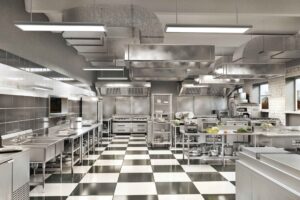
The hospitality industry is a multifaceted domain that demands exceptional attention to detail and a keen understanding of the diverse needs of guests. Among the many elements that contribute to the success of a hotel, the restaurant plays a pivotal role. Restaurants within hotels are not just places to dine; they are also social hubs, offering culinary experiences that leave a lasting impression on guests. To ensure that a hotel’s restaurant operates seamlessly and meets the highest standards of quality, it is essential to invest in the expertise of kitchen design consultants. In this article, we will delve into the crucial reasons why hotels need kitchen design consultants for their restaurants, emphasizing the impact on both guest satisfaction and overall business success.

Streamlining Operations

Efficiency is the lifeblood of any successful restaurant. To ensure that a hotel’s restaurant functions like a well-oiled machine, kitchen design consultants bring invaluable insights. They specialize in optimizing kitchen layouts, ensuring that the flow of food preparation and service is smooth and efficient. Here are some specific ways in which kitchen design consultants contribute to streamlined operations:

Space Utilization: Hotels often have limited space to work with, making it essential to maximize every square foot of the kitchen area. Kitchen design consultants can devise layouts that maximize space utilization without compromising on functionality or safety.

Workflow Efficiency: Consultants understand the ideal workflow for a kitchen, from food storage and preparation to plating and service. This optimization reduces wait times and enhances the overall dining experience.

Safety and Compliance: Consultants are well-versed in safety regulations and sanitation standards, ensuring that the kitchen meets all health and safety requirements. This is vital for maintaining the hotel’s reputation and avoiding legal issues.

Cost Control

Effective kitchen design is not just about creating a visually appealing space but also about managing costs efficiently. Kitchen design consultants can provide cost-effective solutions that yield long-term benefits for the hotel:

Equipment Selection: Consultants have extensive knowledge of kitchen equipment and can recommend energy-efficient, durable, and cost-effective appliances, thus reducing operational expenses.

Energy Efficiency: With sustainability becoming a key concern for both guests and hotel owners, consultants can integrate eco-friendly features that help reduce energy consumption, resulting in cost savings and a positive environmental impact.

Material Choices: Kitchen design consultants can guide hotels in selecting the right materials for countertops, flooring, and walls, balancing aesthetics with durability and cost-effectiveness.

Enhancing Guest Experience

A memorable dining experience is a crucial component of a hotel’s overall appeal. The restaurant’s design, layout, and kitchen operations directly impact the guest experience:

Ambiance: The layout and design of the kitchen can either add to or detract from the ambiance of the dining area. A well-designed kitchen that allows guests to catch a glimpse of the culinary action can add a sense of excitement to their dining experience.

Speed of Service: An efficiently designed kitchen ensures that guests are not kept waiting for their meals. Quick and precise service enhances guest satisfaction and encourages repeat business.

Consistency: Kitchen design consultants help hotels create standardized processes, leading to consistent food quality and presentation, which is essential for maintaining a positive reputation.

Adaptability and Future-Proofing

The hospitality industry is ever-evolving, with changing food trends, customer preferences, and technological advancements. Kitchen design consultants can help hotels remain adaptable and future-proof their restaurants:

Flexibility: Consultants can create modular designs that can be easily adapted to changing menu offerings and kitchen requirements, reducing the need for extensive renovations in the future.

Technology Integration: With the growing role of technology in the restaurant industry, consultants can incorporate state-of-the-art kitchen technologies that improve efficiency, communication, and data analysis.

Market Trends: Kitchen design consultants stay updated with the latest culinary trends, allowing hotels to incorporate popular concepts and features into their restaurant design.

Conclusion

In the competitive world of hospitality, every element of a hotel’s operation matters. The restaurant, as a central component of guest experience, deserves special attention. Kitchen design consultants play a pivotal role in creating efficient, cost-effective, and guest-centric restaurant kitchens. They help streamline operations, control costs, enhance the guest experience, and future-proof the business.

Investing in kitchen design consultants is not just about aesthetics; it’s about optimizing functionality, ensuring safety, and creating an environment that allows chefs to excel. By doing so, hotels can stand out in the hospitality industry, earn a stellar reputation, and secure repeat business from satisfied guests. In an industry where excellence is paramount, the guidance of kitchen design consultants is a recipe for success.

Enhancing the Guest Experience: Should Jacksonville, FL Hotels Consider Having a Home Theater Installed?

multi channel home theater


The hotel industry is ever-evolving, with establishments constantly seeking new ways to enhance the guest experience. In Jacksonville, Florida, a city known for its vibrant culture and attractions, hotels are under constant pressure to stand out from the competition. One intriguing idea gaining momentum is the installation of home theaters within hotel rooms. But is it worth the investment? In this article, we’ll explore the pros and cons of having a home theater in a Jacksonville hotel and consider whether it’s a worthwhile addition to the hospitality industry.

The Evolving Guest Expectations

Over the years, guest expectations have evolved significantly. Today’s Jacksonville travelers are not just looking for a comfortable bed and a clean room; they want an immersive and memorable experience during their stay. In-room entertainment has become a crucial part of this experience. With streaming services and high-quality content readily available, guests expect a home-away-from-home experience, making a hotel’s in-room entertainment options a deciding factor in choosing a place to stay.

Advantages of Having a Home Theater in a Hotel Room

Differentiation

One of the primary advantages of having a home theater in a hotel room is differentiation. In a market where many hotels offer similar amenities and services, the presence of a home theater can set an establishment apart from the competition. It can be a unique selling point that attracts guests looking for an extraordinary experience.

Enhanced Guest Experience

A home theater in a hotel room can significantly enhance the guest experience. It allows guests to relax and unwind in the privacy of their own space. They can watch their favorite movies or TV shows on a large, high-definition screen with premium sound quality, creating a luxurious and immersive atmosphere.

Extended Stays

Hotels are often chosen for both short stays and extended stays. Having a home theater can be particularly appealing to guests on extended stays, such as business travelers or tourists exploring the Jacksonville area. It provides them with a comfortable space to unwind and enjoy a movie night, making them feel more at home during their stay.

Attracting Special Events

Hotels are not only places to stay but also venues for special events and celebrations. A hotel room equipped with a home theater can be an ideal setting for private screenings, corporate presentations, or even intimate gatherings like anniversary celebrations. This additional functionality can open up new revenue streams for hotels.

Positive Reviews and Word-of-Mouth Marketing

Guests who have a fantastic experience with in-room home theaters are more likely to leave positive reviews and recommend the hotel to others. Word-of-mouth marketing remains a powerful tool in the hospitality industry, and this unique feature can lead to increased bookings and customer loyalty.

Potential Challenges and Considerations

Initial Investment

One of the primary challenges of installing home theaters in hotel rooms is the initial investment. This includes the cost of purchasing high-quality audiovisual equipment and hiring professionals for installation. Hotels must carefully consider whether the long-term benefits will outweigh the upfront costs.

Maintenance

Maintaining the home theater equipment is another consideration. Over time, electronic equipment can wear out and become outdated. Hotels need to plan for regular maintenance and upgrades to ensure that the in-room home theaters continue to provide a premium experience for guests.

Guest Preferences

While many guests may appreciate the presence of a home theater, others may prefer traditional in-room amenities. Hoteliers should offer the option of rooms with and without home theaters to cater to a diverse clientele.

Noise Concerns

Hotels are places of relaxation and tranquility. To prevent noise disturbances, hoteliers should ensure that home theaters are properly soundproofed. Noise complaints from neighboring rooms can have a negative impact on the overall guest experience.

Compatibility and Content

To fully satisfy guests, hotels must ensure that their home theater systems are compatible with various devices and streaming services. They should also provide a selection of movies and shows for guests to enjoy.

Implementing a Home Theater System

Design and Layout

Designing the layout of a hotel room with a home theater is essential. It involves placing the screen, speakers, and seating in a way that optimizes the viewing and listening experience. The design should be aesthetically pleasing and functional.

High-Quality Equipment

To create an authentic home theater experience, hotels must invest in high-quality equipment. This includes a large, high-resolution screen, premium sound system, and comfortable seating.

User-Friendly Controls

Guests should find it easy to operate the home theater system. Simple and intuitive controls, along with clear instructions, are essential to ensure that guests can enjoy their entertainment hassle-free.

Technical Support

Hotels should have technical support available to address any issues or questions guests may have about the home theater system. This ensures that guests have a smooth and enjoyable experience.

Real-Life Case Studies

To illustrate the potential benefits of installing home theaters in hotel rooms, let’s look at a couple of real-life case studies.

The Ritz-Carlton, Los Angeles

The Ritz-Carlton in Los Angeles has earned a reputation for providing a luxurious and unforgettable guest experience. Some of their suites are equipped with home theaters, complete with a 110-inch screen, surround sound, and a collection of movies. The addition of home theaters has drawn positive attention and contributed to the hotel’s premium image.

The Peninsula, New York

The Peninsula in New York City offers guests the Peninsula Academy, a program that includes experiences like in-room movie nights. The hotel provides guests with popcorn, beverages, and access to a curated selection of films, all on a large-screen television. This innovative approach to in-room entertainment has garnered praise from guests.

Conclusion

The decision of whether or not Jacksonville, FL hotels should consider installing home theaters in their hotel rooms ultimately comes down to a balance of costs, potential returns, and the desire to create an exceptional guest experience. As the hospitality industry becomes more competitive, offering unique amenities like home theaters can be a game-changer.

While there are challenges and costs associated with implementing in-room home theaters, the benefits, including differentiation, enhanced guest experience, and potential for additional revenue, are compelling. However, hotels must carefully plan the design, equipment, and maintenance of these systems to ensure they meet guest expectations and remain cost-effective.

In an era where personalized and immersive experiences are highly sought after, installing a home theater Jacksonville in hotel rooms can be a strategic move. It not only differentiates a hotel from its competitors but also creates a lasting impression on guests, leaving them with memories that will lead to positive reviews, repeat visits, and word-of-mouth recommendations. For Jacksonville hotels, embracing this trend may just be the next step in elevating the guest experience and reaping the rewards of guest satisfaction and loyalty.

Why NYC Hotels Need Carpet Cleaning: Ensuring Guest Satisfaction and Hygiene

NYC carpet cleaning


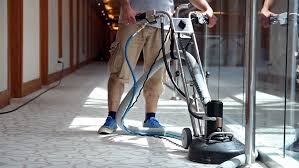
New York City is a bustling metropolis known for its iconic skyline, vibrant culture, and, of course, its hotels. From luxurious high-rise establishments to cozy boutique inns, NYC hotels cater to millions of tourists and business travelers every year. However, with great hospitality comes great responsibility, and one of the essential aspects of maintaining a welcoming atmosphere is ensuring cleanliness and hygiene. Among the many cleaning tasks that hotels must undertake, carpet cleaning stands out as a crucial one. In this article, we will explore why NYC hotels need carpet cleaning and how it contributes to guest satisfaction and overall hotel success.

First Impressions Matter

When guests enter a hotel lobby or step into their room, the first thing they notice is the cleanliness and appearance of the space. Carpets are a prominent feature in many hotel interiors, covering a significant portion of floors in common areas and guest rooms. If these carpets are stained, soiled, or emit unpleasant odors, it can leave a negative impression on guests right from the start. To make a lasting positive impression, hotels must invest in regular carpet cleaning to maintain their pristine appearance.

Health and Hygiene

Cleanliness isn’t just about aesthetics; it’s also about health and hygiene. Carpets can harbor dust, allergens, bacteria, and even mold if not properly maintained. In a densely populated city like NYC, where air quality can be a concern, ensuring that carpets are free of pollutants is vital. Regular carpet cleaning not only improves indoor air quality but also reduces the risk of allergies and respiratory issues among guests and staff.

Prolonging Carpet Lifespan

Replacing carpets in hotels is a costly endeavor. To protect this investment, hotels should focus on extending the lifespan of their carpets. Regular cleaning and maintenance can prevent the wear and tear that occurs due to foot traffic, spills, and stains. By doing so, hotels can save on replacement costs and keep their interiors looking fresh and inviting for longer.

Guest Comfort

Comfort is a top priority for hotel guests, and this extends beyond a comfortable bed. Walking on a clean and soft carpet provides a sense of luxury and relaxation that enhances the overall guest experience. Dirty or worn-out carpets can be uncomfortable and even hazardous, as they may have hidden hazards like sharp objects or allergens.

Odor Control

In the heart of a bustling city like NYC, hotels often face unique challenges when it comes to odors. Carpets can trap odors from a variety of sources, including food spills, pets, and cigarette smoke. These odors can be persistent and off-putting to guests. Regular carpet cleaning helps eliminate these odors, ensuring that hotel rooms and common areas always smell fresh and inviting.

Stain Removal

Accidents happen, and spills are a common occurrence in hotels, especially in dining areas and rooms with coffee makers and minibars. Stains on carpets can be unsightly and difficult to remove without professional cleaning. Prompt and effective stain removal is essential to maintain the overall appearance of the hotel and prevent permanent damage to the carpets.

Professionalism and Reputation

Hotels in NYC often compete fiercely for guests, and their reputation is a valuable asset. Cleanliness and attention to detail are key factors that can set one hotel apart from the rest. A well-maintained carpet not only reflects professionalism but also contributes to positive online reviews and word-of-mouth recommendations, which can significantly impact a hotel’s bottom line.

Compliance with Standards

Hotels in NYC are subject to various health and safety regulations, including those related to hygiene and cleanliness. Regular carpet cleaning is not just a matter of choice; it’s often a legal requirement. Failing to meet these standards can result in fines, loss of reputation, and even legal action. Consistent carpet cleaning helps hotels stay in compliance with these regulations.

Environmental Considerations

In today’s world, environmental responsibility is a growing concern. Many guests prefer to stay in eco-friendly hotels that take steps to reduce their environmental footprint. Some carpet cleaning methods can be harmful to the environment, so it’s essential for hotels to choose eco-friendly cleaning options to align with guest preferences and meet sustainability goals.

Cost-Effective Investment

While the best carpet cleaning NYC services come at a cost, it is an investment that pays off in the long run. The benefits of clean carpets, including improved guest satisfaction and extended carpet lifespan, far outweigh the expenses. Additionally, regular maintenance is often more cost-effective than emergency replacements due to irreparable carpet damage.

Conclusion

In the competitive hospitality industry of New York City, hotels must prioritize cleanliness and hygiene to ensure guest satisfaction and maintain a positive reputation. Carpet cleaning is a fundamental aspect of this commitment to cleanliness. It not only creates a welcoming and comfortable atmosphere for guests but also contributes to their health and well-being.

Clean carpets leave a lasting positive impression, enhance guest comfort, and promote a sense of luxury and relaxation. Moreover, they play a crucial role in maintaining a hotel’s reputation, complying with health and safety standards, and meeting environmental responsibilities.

In the end, the investment in regular carpet cleaning is not just about aesthetics but also about safeguarding the success and longevity of NYC hotels in a highly competitive market. By prioritizing carpet cleanliness, hotels can continue to offer exceptional experiences to their guests and thrive in the bustling heart of the city that never sleeps.

Signs an Atlanta Hotel Needs Roofing Supplies: Protecting Your Investment

roof supply near me


Atlanta, the bustling capital of Georgia, is known for its rich history, vibrant culture, and booming hospitality industry. With a thriving tourism scene, hotels play a vital role in the city’s economy, providing accommodation to visitors from around the world. To ensure the comfort and safety of guests, it’s essential for hotel owners and managers to keep their properties in top-notch condition. One often overlooked but critical aspect of hotel maintenance is the roof. In this article, we’ll explore the signs that indicate an Atlanta hotel needs roofing supplies, emphasizing the importance of proactive roof maintenance and replacement to protect your investment.

Age of the Roof

One of the most straightforward indicators that your hotel may need roofing supplies is the age of the roof. The typical lifespan of a commercial roofing system can vary depending on the materials used, but most roofs will last between 20 to 30 years. Beyond this timeframe, the roof becomes more susceptible to wear and tear. If your hotel’s roof is approaching or has exceeded its expected lifespan, it’s time to consider a replacement. This proactive approach can save you from costly repairs and potential damage to the interior of your property.

Leaks and Water Damage

Water is the enemy of any roofing system. Leaks or signs of water damage inside the hotel are clear red flags that the roof may need attention. These issues can manifest as stains on ceilings or walls, peeling paint, or warped drywall. Water intrusion can lead to mold growth, compromised structural integrity, and costly repairs. To prevent these problems, regular inspections and maintenance are essential.

Visible Wear and Tear

Take a walk around your hotel and inspect the roof from the ground. Look for visible signs of wear and tear, such as cracked, missing, or curling shingles (if you have a shingle roof), damaged flashing, or sagging areas. These issues can be indicative of underlying problems with the roof’s integrity. Ignoring them can lead to more extensive damage and a higher repair bill.

Gutter Problems

Gutters play a crucial role in directing rainwater away from your hotel’s foundation and preventing water damage. If you notice that your gutters are frequently clogged or overflowing, it could be a sign that your roof is shedding granules or debris, indicating advanced wear on the roofing materials. Proper gutter maintenance and roof inspections should go hand in hand to ensure your roofing system’s longevity.

Energy Efficiency

An often overlooked aspect of roofing is its impact on energy efficiency. If your hotel’s energy bills are steadily climbing, it might be due to an inefficient roofing system. Outdated or damaged roofs can allow heat or cool air to escape, forcing your HVAC system to work harder. Investing in a modern, energy-efficient roofing system can lead to substantial long-term savings.

Interior Temperature Fluctuations

Pay attention to the comfort of your guests. If you receive complaints about rooms being too hot in summer or too cold in winter, it could be related to your roof’s insulation or ventilation. Inadequate insulation or ventilation can result in uneven temperature distribution, making some rooms less comfortable than others. Upgrading your roofing system can help regulate indoor temperatures, improving guest satisfaction and reducing energy costs.

Mold and Algae Growth

Mold and algae growth on your roof can be both unsightly and damaging. It’s not only a sign of moisture-related issues but can also deteriorate your roofing materials. Mold and algae can spread quickly and may be indicative of underlying moisture problems within your roofing system. Addressing these issues promptly is crucial to prevent further damage.

Increasing Maintenance Costs

If you’ve noticed a significant increase in your hotel’s maintenance expenses, especially related to roof repairs, it’s a strong indicator that your roofing system is nearing the end of its service life. Continuously patching up an aging roof can be a costly and temporary solution. Investing in a new roof can save you money in the long run and provide peace of mind.

Visible Exterior Damage

A visual inspection of the roof’s exterior can reveal signs of damage. Look for cracked or blistering roofing materials, loose or deteriorated flashing, and any visible gaps or holes. These issues can compromise the integrity of your roof and should be addressed promptly.

Roof Inspection by Professionals

While some signs of roof damage are visible to the naked eye, it’s essential to schedule regular inspections by professional roofing contractors. They have the expertise and experience to identify subtle problems that may not be evident to the untrained observer. Professional inspections can catch issues early, saving you money and preventing extensive damage.

Conclusion

Maintaining the roof of your Atlanta hotel is not just a matter of aesthetics; it’s a critical investment in the long-term well-being of your property. Ignoring the signs that your hotel needs roofing supply Atlanta GA can lead to costly repairs, decreased energy efficiency, and potential damage to the interior of your building. By staying proactive and addressing roofing issues promptly, you can ensure the safety, comfort, and satisfaction of your guests while protecting your investment in Atlanta’s thriving hospitality industry. Regular inspections, timely maintenance, and, when necessary, roof replacement are essential steps to keeping your hotel’s roof in top condition for years to come.

When Would a Baltimore Hotel Need Glass Repair?

glass repair Baltimore MD


In the vibrant city of Baltimore, hotels play a crucial role in catering to the needs of both tourists and business travelers. These establishments are known for their luxurious interiors and grand facades, often featuring expansive glass surfaces to create a welcoming and visually stunning environment. However, the constant exposure to the elements and the wear and tear from guests can take a toll on a hotel’s glass infrastructure. In this article, we’ll explore the various scenarios in which a Baltimore hotel might require glass repair services and how timely interventions can ensure a seamless guest experience.

Weather-Related Damage

Baltimore’s weather can be unpredictable, ranging from hot and humid summers to cold, icy winters. The city’s hotels, like any other buildings, are susceptible to weather-related damage. Glass surfaces, especially large windows and skylights, may crack or shatter due to extreme temperatures, hail, or heavy storms. In such cases, immediate glass repair is essential to maintain the integrity and safety of the property.

Accidental Damage

Accidents happen, and in a bustling hotel, they’re not uncommon. Guests may accidentally break glass windows, doors, or partitions. Whether it’s a shattered window from a stray soccer ball or a cracked glass partition from a guest’s collision, these incidents require prompt glass repair to prevent injuries and maintain the aesthetics of the hotel.

Aging and Wear

Over time, even the sturdiest glass can succumb to the wear and tear of daily use. Scratches, cracks, and chips can detract from the overall appearance of the hotel. Additionally, older windows may become less energy-efficient, leading to increased utility costs. Regular glass maintenance and repair can help extend the lifespan of these essential components.

Security Concerns

Security is a top priority for hotels in Baltimore. Damaged or compromised glass poses a significant security risk. Whether it’s a cracked front door or a broken window, any vulnerabilities must be addressed promptly. Glass repair professionals can reinforce or replace damaged glass to ensure the safety and security of guests and staff.

Energy Efficiency

Hotels in Baltimore are making significant efforts to reduce their carbon footprint and energy costs. Older or poorly maintained glass can lead to energy inefficiency. Drafts and leaks through damaged seals can result in higher heating and cooling expenses. Upgrading and repairing the glass components in a hotel can contribute to improved energy efficiency and sustainability.

Aesthetic Enhancements

Maintaining an attractive and contemporary look is crucial for a hotel’s success. Glass features such as facades, mirrors, and decorative partitions contribute to the overall aesthetic appeal of the property. Periodic glass repair or upgrades can help hotels keep up with the latest design trends and create a memorable visual experience for guests.

Emergency Situations

In emergency situations like fires or accidents, the integrity of glass can be critical. Tempered glass, for instance, is designed to shatter into small, relatively harmless pieces. However, even tempered glass can suffer damage over time. Ensuring that emergency exits, fire-resistant glass, and safety features are in perfect condition is essential to meet safety regulations and protect the lives of guests and staff.

Legal Compliance

Baltimore hotels are subject to various regulations and codes related to safety and building maintenance. Keeping glass components in compliance with these regulations is vital. Non-compliance can lead to costly fines and, more importantly, compromise the safety of hotel guests and employees. Regular glass inspections and repairs are essential to meet legal obligations.

Guest Experience

Guest experience is the heart of any successful hotel. The condition of glass elements, from the lobby entrance to the bathroom mirrors, can significantly impact how guests perceive their stay. Cracked or discolored glass can create a negative impression, while well-maintained glass can enhance the overall experience, leading to positive reviews and repeat business.

Conclusion

In Baltimore, hotels are more than just places to stay; they are showcases of luxury and comfort. The stunning glass features that adorn these establishments need to be well-maintained to ensure the safety and satisfaction of guests and to meet the city’s regulatory standards.

Whether it’s weather-related damage, accidental breakage, aging glass, security concerns, or energy efficiency improvements, glass repair and maintenance are integral to a hotel’s ongoing success. A proactive approach to glass care not only enhances aesthetics but also safeguards the hotel’s reputation and legal standing.

Therefore, Baltimore hotels should prioritize regular glass inspections and glass repair Baltimore to address issues promptly and avoid potential problems. By doing so, they can ensure that their glass features continue to shine, offering guests a memorable and secure stay, and ultimately, contributing to the long-lasting success of the establishment.

The Future of Hospitality: Should Hotels Consider Prefab Retail Buildings?

hotel modular construction


The hospitality industry has always been known for its ability to adapt and innovate. From the earliest inns and taverns to today’s luxurious resorts, hotels have continuously evolved to meet the changing needs and desires of travelers. In this age of rapid technological advancements and shifting consumer preferences, the question arises: Should hotels consider incorporating prefab retail buildings into their operations? In this article, we will delve into the concept of prefab retail buildings and explore the reasons why hotels should give serious thought to embracing this innovative approach to hospitality.

The Rise of Prefabricated Construction

The concept of prefab construction has been gaining momentum in recent years, with more industries recognizing its numerous benefits. Prefabricated buildings are structures manufactured off-site, often in factories, and then transported to the construction site for assembly. This construction method has proven to be efficient, cost-effective, and environmentally friendly. As a result, it has gained popularity in sectors such as residential housing, commercial spaces, and even hospitals.

The Evolving Demands of Modern Travelers

Today’s travelers are not just looking for a place to stay; they seek unique experiences that cater to their preferences and lifestyle. This shift in consumer expectations has led hotels to explore various strategies, from sustainable practices to cutting-edge technology integration, to enhance their guests’ experience.

The Prefab Retail Building Advantage

Now, let’s explore how prefab retail buildings can benefit hotels:

Speed of Construction

One of the most significant advantages of prefab construction is the speed at which buildings can be erected. Traditional construction methods often involve lengthy timelines, causing delays in opening or renovating hotels. Prefabricated retail buildings, on the other hand, can be manufactured and assembled in a fraction of the time, allowing hotels to adapt quickly to market demand or changing guest preferences.

Cost Efficiency

Prefab construction can be more cost-efficient than traditional building methods. The controlled environment of a factory reduces the risk of weather-related setbacks and material waste, leading to cost savings. For hotels looking to maximize their ROI, this is a compelling factor.

Customization and Versatility

Prefab retail buildings offer a high degree of customization. Hotels can design these structures to seamlessly blend with their existing architecture or create distinctive, eye-catching additions that enhance their brand identity. Whether it’s a trendy rooftop bar, a spa facility, or a retail outlet, prefab structures can be tailored to fit the specific needs of the hotel and its guests.

Sustainability and Eco-Friendliness

As sustainability becomes an increasingly important consideration for travelers, hotels are seeking ways to reduce their environmental footprint. Prefabricated construction often involves the use of eco-friendly materials, energy-efficient designs, and reduced waste generation. Incorporating prefab retail buildings can help hotels showcase their commitment to sustainability.

Diversification of Revenue Streams

Hotels are continuously exploring new avenues for revenue generation beyond room bookings. Prefab retail buildings can serve as standalone spaces for various purposes, such as:

  • Boutiques and shops selling local products and souvenirs.
  • Restaurants and cafes offering unique dining experiences.
  • Event spaces for conferences, weddings, and other gatherings.
  • Wellness and spa facilities to pamper guests.
  • Co-working spaces for business travelers seeking a productive environment.

By diversifying their offerings, hotels can tap into additional revenue streams and create a more comprehensive guest experience.

Enhancing Guest Experience

Incorporating a prefab retail building can significantly enhance the overall guest experience. These structures can house amenities and services that guests value, making their stay more enjoyable and memorable. For instance:

  • A rooftop bar with panoramic views can provide a picturesque backdrop for guests to unwind.
  • A well-designed spa facility can offer relaxation and rejuvenation.
  • A curated retail store can introduce travelers to local culture and craftsmanship.
  • Co-working spaces can cater to business travelers’ needs, promoting productivity.

By enriching the guest experience, hotels can build stronger customer loyalty and positive word-of-mouth marketing.

Future-Proofing Against Uncertainties

The hospitality industry is no stranger to disruptions, whether caused by economic downturns, natural disasters, or health crises like the COVID-19 pandemic. Prefab retail buildings can offer a degree of flexibility and adaptability that traditional structures cannot. In times of reduced occupancy or changing market conditions, hotels can repurpose these structures for different uses or even move them to a different location, ensuring a higher level of business resilience.

Conclusion

In the ever-evolving world of hospitality, hotels must consider innovative strategies to stay competitive and meet the changing expectations of modern travelers. Prefab retail buildings represent a compelling opportunity for hotels to enhance their offerings, improve cost-efficiency, and cater to sustainability-conscious guests. With benefits ranging from speed of construction and cost savings to enhanced guest experiences and diversification of revenue streams, prefab retail buildings are a trend that hotels should seriously consider.

As hotels seek to future-proof their operations and remain resilient in the face of uncertainties, the versatility and adaptability of prefab retail buildings make them a valuable addition to the industry. By embracing this innovative construction method, hotels can not only meet the demands of today’s travelers but also position themselves for long-term success in the dynamic world of hospitality. It’s time for the hotel industry to explore the potential of prefab retail buildings and unlock new opportunities for growth and innovation.

Navigating the Maze of Employment Law: Why a Virginia Hotel Manager Needs an Employment Lawyer

employment law in Virginia


Running a hotel in the picturesque state of Virginia can be a rewarding endeavor, attracting tourists from all over the world. However, the hospitality industry is not without its challenges, especially when it comes to employment law. Hotel managers in Virginia must navigate a complex web of regulations and statutes that govern the employer-employee relationship. This article explores the myriad reasons why a Virginia hotel manager might find themselves in need of an employment lawyer, offering insights into the common legal issues faced and the benefits of seeking professional legal counsel.

The Complex World of Employment Law

Before diving into the specific reasons a Virginia hotel manager might need an employment lawyer, it’s essential to understand the complexity of employment law. Employment law encompasses a vast array of federal and state regulations that dictate how employers must treat their employees. In Virginia, as in many other states, these laws cover various aspects of the employment relationship, including hiring, wages, discrimination, workplace safety, and termination.

Navigating this legal landscape can be daunting, and mistakes can result in costly consequences for hotel managers. With this in mind, let’s explore some of the most common scenarios in which a hotel manager in Virginia might require the expertise of employment lawyers Virginia.

Compliance with Wage and Hour Laws

Ensuring that your hotel complies with wage and hour laws is crucial to avoid expensive lawsuits and penalties. Virginia follows federal wage and hour laws established by the Fair Labor Standards Act (FLSA). This legislation governs minimum wage, overtime pay, and child labor laws. Hotel managers must correctly classify their employees as exempt or non-exempt, track hours worked, and pay overtime when required. Failure to do so can lead to wage and hour disputes.

An employment lawyer can assist hotel managers in:

  • Ensuring accurate classification of employees.
  • Implementing proper record-keeping practices.
  • Resolving wage and hour disputes.
  • Defending against Department of Labor audits.

Handling Discrimination and Harassment Claims

Discrimination and harassment claims can seriously tarnish a hotel’s reputation and lead to significant legal liabilities. Virginia law prohibits discrimination based on race, color, religion, sex, national origin, disability, and other protected characteristics. Hotel managers must take all allegations of discrimination and harassment seriously and investigate them promptly.

An employment lawyer can help by:

  • Conducting impartial investigations.
  • Implementing anti-discrimination and harassment policies.
  • Providing guidance on disciplinary actions.
  • Defending against discrimination and harassment lawsuits.

Employee Benefits and ERISA Compliance

Many hotels offer employee benefits such as health insurance, retirement plans, and paid time off. Managing these benefits and ensuring compliance with the Employee Retirement Income Security Act (ERISA) can be complex.

An employment lawyer can provide valuable assistance in:

  • Drafting and amending benefit plans.
  • Resolving disputes over benefits.
  • Ensuring ERISA compliance.
  • Representing the hotel in benefits-related litigation.

Handling Employee Terminations

Employee terminations can be challenging and legally perilous. Virginia follows the doctrine of “at-will” employment, meaning that, in most cases, employers can terminate employees without cause. However, there are exceptions, and wrongful termination claims can arise from allegations of discrimination, retaliation, or violation of employment contracts.

An employment lawyer can help hotel managers by:

  • Advising on termination procedures.
  • Drafting and reviewing employment contracts.
  • Defending against wrongful termination claims.
  • Mediating termination disputes.

Responding to Government Investigations

Government agencies, such as the Equal Employment Opportunity Commission (EEOC) and the Department of Labor, may investigate hotels for alleged violations of employment laws. These investigations can be time-consuming and disruptive.

An employment lawyer can:

  • Handle communication with government agencies.
  • Ensure compliance with investigation requests.
  • Provide legal representation during audits.
  • Negotiate settlements when appropriate.

Crafting Employment Contracts and Handbooks

Well-drafted employment contracts and handbooks are essential for setting clear expectations and protecting the hotel’s interests.

An experienced employment lawyer can assist hotel managers in:

  • Drafting employment agreements.
  • Developing employee handbooks.
  • Enforcing non-compete and confidentiality agreements.
  • Ensuring compliance with Virginia and federal laws.

Conclusion

In the world of Virginia’s vibrant hospitality industry, hotel managers face a myriad of employment law challenges. From wage and hour compliance to discrimination claims, the legal landscape can be treacherous without the guidance of an employment lawyer. These professionals possess the expertise to navigate the complex web of employment regulations, protect the hotel’s interests, and minimize legal risks.

While some hotel managers may be tempted to handle employment law matters on their own, the potential consequences of missteps in this area are simply too significant to ignore. By partnering with an employment lawyer, hotel managers can ensure that they are operating within the bounds of the law, fostering a fair and productive work environment, and safeguarding their hotel’s reputation and financial stability.

In Virginia’s dynamic and competitive hospitality sector, an employment lawyer is not just a legal advisor; they are a strategic partner in ensuring long-term success. So, if you’re a hotel manager in Virginia, take proactive steps to protect your business by enlisting the expertise of an employment lawyer who can guide you through the complexities of employment law and help you stay on the path to prosperity.