
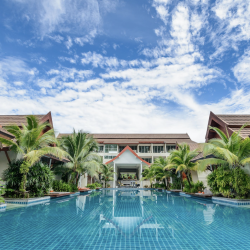
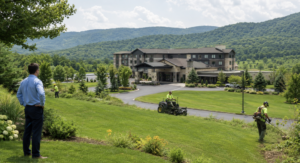
Hotels in West Virginia have always had a special advantage: the land itself. Guests do not come to the Mountain State only for a room, a bed, or a convenient place to stop for the night. They come for views, fresh air, quiet hillsides, outdoor recreation, mountain roads, family trips, business travel, and the kind of natural beauty that makes West Virginia feel different from everywhere else. 🌄
For hotels near Mt. Lookout and the surrounding region, that natural setting can be one of the strongest selling points. But beautiful land also comes with responsibility. Large properties, wooded areas, roadside frontage, open acreage, trails, hillsides, and unused land can quickly become difficult to manage when vegetation is left unchecked. Overgrowth does not just affect appearance. It can affect safety, guest experience, property access, visibility, pest control, drainage, fire prevention, and long-term property value.
That is why hotels, lodges, resorts, and hospitality properties should pay close attention to Large Acreage Vegetation Management Mt. Lookout WV. This type of land care is not just a maintenance task. It is part of protecting the guest experience, strengthening the property’s reputation, and keeping the land ready for the future.
First Impressions Begin Before the Lobby
A hotel guest forms an opinion long before they reach the front desk. The driveway, road frontage, entrance, parking lot, signage, and surrounding property all speak before a staff member ever says welcome. If the acreage around a hotel looks overgrown, neglected, unsafe, or difficult to access, that impression can follow the guest inside.
In a place like West Virginia, where visitors often expect scenic beauty and peaceful surroundings, land appearance matters even more. The official West Virginia Tourism site highlights the state’s outdoor beauty, road trips, parks, small towns, and places to stay. That matters for hotels because the state itself is selling an experience. When a property is surrounded by unmanaged brush, blocked views, invasive growth, or tangled roadside vegetation, it can weaken the very image guests came to enjoy.
Large acreage vegetation management helps hotels create a more welcoming environment. Clean sightlines, accessible green space, managed tree lines, open driveways, and safer walking areas all contribute to a stronger first impression. Guests may not know the exact work that went into making the land look good, but they will feel the difference.
Guest Safety Should Always Include the Land Around the Hotel
Hotels naturally think about safety inside the building. They maintain locks, lighting, stairways, smoke detectors, walkways, and parking areas. But outdoor acreage also plays a major role in guest safety, especially when the property includes wooded land, steep slopes, fields, service roads, or recreational areas.
Overgrown vegetation can hide uneven ground, drainage problems, fallen limbs, holes, wildlife activity, and debris. Brush can reduce visibility around entrances, driveways, and parking lots. Tall grass and unmanaged growth near buildings can also create issues with insects, rodents, and other pests.
For hotel owners and managers, safety is not just about preventing problems. It is about creating confidence. Guests want to feel comfortable walking to their cars, enjoying the outdoor space, taking photos, or exploring the property. A well-managed landscape helps the property feel intentional instead of forgotten.
The West Virginia Hospitality & Travel Association represents lodging, restaurants, attractions, convention and visitors bureaus, and tourism-related businesses across the state. Hospitality is about more than booking rooms. It is about protecting the entire experience around the guest. For properties with acreage, that experience includes the land.
Large Acreage Vegetation Management Helps Protect Hotel Access and Visibility
Hotels depend on visibility. Guests need to find the property easily, see signs clearly, enter safely, and navigate parking areas without confusion. Delivery vehicles, maintenance crews, emergency responders, buses, and service providers also need clear access.
When vegetation grows too close to roads, entrances, driveways, and signs, it can create real problems. A blocked sign can cost a hotel visibility. A narrow or overgrown entrance can make a property feel less maintained. Low branches and brush near service roads can make deliveries harder. Overgrowth around drainage areas can contribute to standing water or washout concerns.
Large acreage vegetation management can help keep access points open and useful. This is especially important in rural and mountain areas, where road curves, elevation changes, wooded surroundings, and seasonal weather can already make visibility more challenging. A hotel cannot afford for guests to wonder whether they have arrived at the right place.
Good land management supports better movement across the property. It helps separate guest areas from service areas, keeps key pathways clear, and allows the hotel to use its acreage more effectively.
Hotels Benefit When Outdoor Space Feels Usable
Many hotel properties have land that could be doing more for the business. Open acreage can support walking paths, picnic areas, outdoor seating, event space, scenic overlooks, pet-friendly areas, small gathering spaces, photo spots, or future expansion. But land only becomes an asset when it is cared for.
Unmanaged land often becomes dead space. Guests avoid it because it looks rough, unsafe, or uninviting. Staff avoids it because it is hard to maintain. Owners overlook it because it seems like a problem instead of an opportunity.
Vegetation management can change that. By clearing overgrowth, improving access, and shaping the land with purpose, hotels can create outdoor areas that support guest satisfaction. Even simple improvements can make a difference. A cleared view, a safer walking edge, a cleaner entrance, or a more open lawn area can make the property feel larger, more peaceful, and more valuable.
The West Virginia Association of Convention & Visitors Bureaus connects tourism communities throughout the state. For hotels, that connection matters because visitors often choose lodging based on the overall destination experience. When a hotel’s outdoor property feels clean and usable, it becomes part of the destination instead of just a place to sleep.
West Virginia Tourism Growth Makes Property Presentation More Important
West Virginia continues to build its reputation as a destination for outdoor recreation, scenic travel, small-town charm, and hospitality. The state’s official tourism resources, including the West Virginia Travel Guide, show how much emphasis is placed on road trips, accommodations, parks, and memorable places to stay.
That creates an opportunity for hotels, but it also raises the standard. Guests are comparing experiences. They are looking at photos, reading reviews, checking maps, and making decisions based on trust. A hotel with a well-kept exterior and managed acreage can appear more dependable, more welcoming, and more connected to the natural beauty of the area.
Online reviews often mention things that happen outside the room. Guests notice parking lots, lighting, noise, views, grounds, landscaping, walking areas, and whether a property feels safe. Large acreage vegetation management supports those details. It helps the property look better in photos, feel better in person, and perform better as part of the guest experience.
For hotels near Mt. Lookout, this can be especially important because the surrounding land is part of the appeal. Guests may be traveling for outdoor recreation, work, family visits, events, road trips, or peaceful mountain scenery. The more cared-for the land feels, the more the hotel supports the reason guests came to West Virginia in the first place.
Managed Vegetation Can Help Reduce Long-Term Property Problems
Ignoring large acreage rarely saves money over time. Overgrowth can make future work harder and more expensive. Small trees become larger obstacles. Brush thickens. Access paths disappear. Drainage areas clog. Invasive plants spread. Pests gain more cover. Dead limbs and fallen vegetation collect in areas that should stay clear.
Routine vegetation management helps hotels stay ahead of those problems. It gives property owners more control over the land instead of letting the land become a surprise expense later.
This is especially valuable for hotels that want to plan future improvements. If an owner may eventually add cabins, parking, outdoor amenities, event areas, trails, or additional buildings, the land should be maintained with that future in mind. Managed acreage is easier to evaluate, easier to use, and easier to improve.
The West Virginia Tourism Development Act shows how important tourism-related development can be to the state’s economy and future growth. Hotels that take care of their property are not just maintaining land. They are protecting a hospitality asset.
Vegetation Management Supports the Hotel Brand
A hotel brand is not only built through logos, colors, websites, and room design. It is built through every part of the guest experience. The outdoor property plays a major role in how guests describe the hotel to others.
A well-managed property can communicate care, pride, safety, and professionalism. It can make a hotel feel peaceful, scenic, and reliable. On the other hand, unmanaged acreage can make even a clean hotel feel less polished.
For independent hotels, family-owned lodges, boutique stays, roadside hotels, and rural hospitality properties, land care can become a quiet competitive advantage. It helps the property stand out without needing to say much. Guests can see the difference when a hotel cares about the details.
West Virginia itself has a strong identity tied to mountains, forests, rivers, and natural beauty. The state’s background and tourism appeal are closely tied to its landscape, as explained in Wikipedia’s overview of West Virginia. Hotels that manage their acreage well are aligning their property with that larger identity. They are showing guests that the land is part of the experience, not an afterthought.
Hotels With Acreage Need More Than Basic Lawn Care
Large acreage vegetation management is different from basic mowing. A hotel may need brush control, clearing, trimming, access improvement, slope management, tree line maintenance, roadside visibility work, field clearing, trail opening, or preparation for future land use. The larger the property, the more important it becomes to look beyond ordinary landscaping.
Basic lawn care may keep the front entrance neat, but it may not address the full property. Hotels with acreage need a broader view. They need to think about the whole land: where guests go, where staff works, where vehicles travel, where water moves, where pests may gather, where views are blocked, and where future opportunities may exist.
That is why professional vegetation management can be such a smart investment. It helps hotel owners take control of the property instead of reacting to problems one season at a time. It also allows the land to support the hotel’s goals, whether those goals include better appearance, safer access, guest enjoyment, or future development.
Conclusion
Every hotel wants guests to feel welcome, safe, comfortable, and impressed. In Mt. Lookout WV and throughout West Virginia, the land around a hotel can help create that feeling or take away from it. Large acreage vegetation management is not just about cutting brush or clearing space. It is about protecting the property, improving the guest experience, strengthening curb appeal, and helping the hotel make better use of the land it already owns.
For hotels, land is part of the brand. It affects first impressions, online reviews, safety, access, visibility, and long-term value. When acreage is cared for properly, it becomes more than open space. It becomes a reason guests remember the property for the right reasons. 🌿
Hotels that care about growth, reputation, and guest satisfaction should care about vegetation management. The outside of the property tells a story before guests ever walk inside. With the right land care, that story can say exactly what every hotel wants guests to feel: this place is clean, cared for, safe, beautiful, and ready to welcome you.