

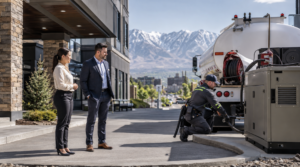
Hotels in Salt Lake City operate in a market where preparation matters every day. Guests arrive from business meetings, conventions, family trips, ski vacations, airport travel, weddings, sporting events, medical visits, and downtown entertainment. That kind of movement creates steady pressure on hotel operations, especially when a property relies on shuttles, maintenance equipment, backup generators, landscaping tools, service vehicles, or other fuel-powered resources to keep the guest experience running smoothly.
Salt Lake City is not just a stop on a map. It is a growing hospitality market with access to mountains, a busy downtown, a major airport, convention activity, and year-round tourism. The city’s connection to travel, lodging, and regional business makes reliability a serious priority for hotels of every size. A hotel may look calm at the front desk, but behind the scenes there are teams managing arrivals, transportation, maintenance, emergency readiness, deliveries, events, and guest services all at once.
That is where Mobile Fuel Delivery Salt Lake City becomes a valuable support service for hotels that want to stay prepared without slowing down daily operations. Instead of sending staff off-site for fuel or waiting until a tank is nearly empty, mobile fuel delivery brings fuel directly to the property, job area, fleet, tank, or equipment location. For hotels, that convenience can support uptime, improve planning, and help teams stay focused on guest care.
Salt Lake City Hotels Depend on Steady Operations
Hotel guests may never see the operational details that keep a property moving, but they feel the results. A shuttle that arrives on time, a parking lot that stays cleared, a generator that is ready during an outage, and grounds equipment that works when needed all contribute to a smooth stay. Fuel is not always the most visible part of hospitality, but it supports many pieces of the hotel experience.
Salt Lake City’s hospitality environment is shaped by business travel, tourism, outdoor recreation, conventions, and city growth. According to Visit Salt Lake, the region continues to position itself as a destination for meetings, vacations, events, dining, and outdoor access. For hotels, that means consistency is not optional. Guests expect professional service whether the property is dealing with a full weekend, a convention rush, winter weather, or a busy airport travel period.
Hotels with shuttles, vans, maintenance trucks, diesel tanks, backup power systems, and outdoor service equipment need a fuel plan that supports real-world demand. When fuel is handled reactively, staff can lose time, schedules can be interrupted, and managers may have one more problem added to an already busy day. Mobile fuel delivery helps remove that friction by making fuel access more predictable.
Fuel Readiness Supports the Guest Experience
In hospitality, small delays can create a bigger impression than managers expect. A guest waiting for a hotel shuttle does not care that a van needed fuel. A maintenance team trying to respond to an issue does not need to lose time coordinating an off-site fuel run. A hotel hosting an event cannot afford unnecessary interruptions caused by poor preparation.
Salt Lake City hotels often serve travelers moving between downtown, the airport, convention spaces, restaurants, ski areas, hospitals, universities, and business districts. The Salt Lake City International Airport plays a major role in regional travel, which makes dependable transportation and hotel logistics important for many properties. Hotels near the airport or downtown may rely on fuel-powered vehicles daily, especially when managing guest arrivals and departures.
Mobile fuel delivery helps hotels keep those vehicles and resources ready. Instead of making multiple fuel trips, hotel teams can schedule fuel service around property needs. This allows managers to focus on staffing, rooms, maintenance, housekeeping, food service, events, and guest support while fuel is handled more efficiently.
Hotel Growth Makes Preparedness More Important
Salt Lake City continues to draw attention in the hospitality and development world. Recent coverage from Hotel Dive reported on a planned Kimpton hotel in downtown Salt Lake City, reflecting continued interest in the city’s hotel market. More hotel development can bring more visitors, more competition, and higher expectations for service quality.
Local development coverage from Building Salt Lake has also discussed downtown hotel activity, showing how lodging growth and development conversations remain part of the city’s business landscape. For hotel owners and operators, this matters because a stronger hotel market often raises the bar for operational excellence.
Guests compare experiences quickly. They notice delays, missed transportation, poor communication, property issues, and slow responses. A hotel that stays prepared can protect its reputation and keep service moving even during high-demand periods. Fuel delivery may not be glamorous, but it supports the kind of behind-the-scenes reliability that helps a hotel stand out.
Convention and Event Traffic Add Pressure to Hotel Teams
The convention side of Salt Lake City creates another reason hotels need dependable fuel planning. The Salt Palace Convention Center brings meetings, conferences, trade shows, and large events into the downtown area. These events can increase room demand, transportation needs, delivery schedules, and property activity.
When a hotel is full, every department feels the pressure. Valet teams move faster. Shuttle schedules tighten. Maintenance calls increase. Housekeeping turns rooms quickly. Food and beverage teams prepare for more guests. Managers coordinate more moving parts in less time.
During those busy periods, fuel cannot become an afterthought. A property that depends on fuel-powered vehicles, tanks, or equipment needs to know those resources are ready before the rush begins. Mobile fuel delivery allows hotel teams to plan ahead instead of reacting after a problem appears.
Backup Power Readiness Matters for Hotels
Hotels carry a responsibility to provide a safe and dependable environment. Power outages, severe weather, infrastructure issues, and emergencies can create serious challenges for hospitality properties. Backup generators can help support critical systems, lighting, communication, refrigeration, elevators, security, and guest safety depending on the property’s setup.
A backup generator is only helpful if it is maintained and fueled properly. Hotels that wait too long to check fuel levels may face unnecessary risk when an outage occurs. Mobile fuel delivery can help support generator readiness by bringing fuel directly to the location before it becomes urgent.
Salt Lake City’s climate and geography also make preparation important. Winter weather, mountain travel, and seasonal tourism can create added pressure during certain times of the year. The city’s broader identity, history, and regional importance are well documented through resources such as Wikipedia’s Salt Lake City page, which highlights its role as Utah’s capital and a major metropolitan center. Hotels operating in such a central destination benefit from having practical systems in place before challenges arise.
Mobile Fuel Delivery Helps Staff Save Time
Hotel teams are often stretched across many responsibilities. A manager may be handling guest issues, vendor coordination, staffing concerns, room inventory, maintenance updates, and event details all in the same morning. Sending employees to refuel vehicles or equipment takes time away from the property and can interrupt productivity.
Mobile fuel delivery helps reduce unnecessary trips. A scheduled delivery can serve vehicles, tanks, or equipment on-site, allowing staff to remain focused on hotel operations. That time savings can matter even more during peak travel seasons, weekends, large events, snow days, or periods of increased occupancy.
Fuel delivery can also help hotels create a cleaner system for tracking fuel use. Instead of relying on scattered receipts, multiple off-site stops, and inconsistent refueling habits, a hotel can work with a more organized fuel delivery routine. This supports planning, accountability, and better operational control.
Hotels Benefit from Local Reliability
Salt Lake City hotels serve a wide range of guests, from business travelers and families to outdoor adventurers and convention attendees. Hospitality coverage from Condé Nast Traveler has highlighted Salt Lake City’s continued evolution as an urban and outdoor destination, including lodging, dining, culture, and access to nearby recreation. That kind of attention reinforces the importance of strong hotel operations in the area.
For a hotel, local reliability is not just about having rooms available. It is about making sure the property can support the full guest experience. That may include transportation, exterior maintenance, heating support, emergency plans, and quick response when something needs attention.
Mobile fuel delivery gives hotel operators one more tool for staying ready. It helps reduce uncertainty around an essential resource. It also supports the kind of calm, organized operation that guests may not notice directly, but they appreciate through smoother service.
Fuel Delivery Supports Hotels During Peak Travel Seasons
Salt Lake City experiences different kinds of travel demand throughout the year. Winter brings ski travelers and mountain recreation. Spring and summer bring events, outdoor activities, conventions, road trips, and family travel. Fall can bring business travel, university events, sports, and conferences. Hotels must be ready for changing demand without letting operations fall behind.
Fuel needs can rise during those peak periods. Shuttle vehicles may run more often. Maintenance teams may use equipment more frequently. Outdoor areas may require extra attention. Deliveries and service vehicles may move in and out of the property more often.
A planned fuel delivery schedule helps hotels prepare before the busiest days arrive. Rather than waiting for equipment to run low or vehicles to need immediate attention, managers can coordinate fueling around expected demand. This supports a stronger operating rhythm and helps prevent avoidable delays.
A Better Fuel Plan Can Protect a Hotel’s Reputation
Hotel reputation is built through consistency. Guests remember whether the property felt organized, clean, safe, and responsive. They may not know whether the hotel had a strong fuel plan, but they will notice if transportation is delayed, outdoor areas are neglected, or emergency systems are not ready.
In a competitive hotel market, operational details can become part of the guest experience. A hotel that manages fuel efficiently may improve response times, support transportation schedules, and reduce stress on staff. This helps create a more dependable environment for both guests and employees.
A strong fuel plan can also support leadership confidence. General managers, property managers, facilities teams, and ownership groups all benefit from knowing that fuel is being handled consistently. When fuel delivery becomes part of the hotel’s preparation strategy, it helps reduce one more point of uncertainty.
Conclusion
Hotels in Salt Lake City serve guests in a busy, growing, and highly active market. From airport travel and downtown events to conventions, tourism, business meetings, and outdoor recreation, hotels must be ready for constant movement. Fuel plays an important role in that readiness, especially for properties that rely on shuttles, service vehicles, backup generators, maintenance equipment, and on-site tanks.
Mobile fuel delivery helps hotels stay prepared by bringing fuel directly to the property, reducing staff downtime, supporting emergency readiness, and keeping daily operations moving. It gives hotel teams a practical way to manage fuel before it becomes a problem.
For Salt Lake City hotels that want to protect service quality, support guest satisfaction, and operate with more confidence, mobile fuel delivery is more than a convenience. It is a smart part of staying ready.